

Introduction
Keyword research for beginners is the first step towards building an effective SEO strategy. It helps you discover what your target audience searches for on Google.
Want your website to appear on Google? Start with keyword research.
People search Google every day to find information, products, and services. They use specific words and phrases to find what they need.
These search terms are called keywords.
Keyword research helps you understand what your target audience searches for. It also helps you create content that matches their needs.
In this guide, you’ll learn how to find the right keywords and use them effectively to improve your website’s SEO.
1. What Is Keyword Research for Beginners?
Keyword research is the process of finding and analysing the search terms people use on search engines like Google.
It helps you understand what your audience wants to know.
For example, imagine you run a digital marketing website.
Your potential customers might search for:
- Digital marketing services
- SEO services for small businesses
- Google Ads management
- Social media marketing tips
These are potential keywords for your website.
By targeting relevant keywords, you can create content that connects with your audience.
2. Why Is Keyword Research Important for SEO?
Keyword research is one of the foundations of SEO.
Here are five reasons why it matters.
1. Understand your audience
It helps you discover what people are searching for and what problems they want to solve.
2. Find content ideas
Keyword research gives you ideas for blog posts, service pages, and website content.
3. Improve search visibility
Targeting relevant keywords helps search engines understand your content.
4. Attract the right visitors
The right keywords can bring visitors who are genuinely interested in your products or services.
5. Understand search intent
It helps you create content that matches what users expect to find.
Keyword research for beginners makes it easier to understand what potential customers are searching for online.
3. Understand the Different Types of Keywords
Before choosing keywords, understand their different types.
1. Short-tail keywords
These are broad search terms, usually containing one or two words.
Examples:
- Digital marketing
- SEO
- Website design
They often have high search competition.
2. Long-tail keywords
These are more specific search phrases.
Examples:
- Digital marketing services for small businesses
- How to improve website SEO
- Best SEO strategies for beginners
They often have more specific search intent and can be easier to target.
3. Informational keywords
People use these keywords when they want to learn something.
Examples:
- What is SEO?
- How does Google Ads work?
- How to do keyword research?
4. Commercial keywords
People use these when comparing products or services before making a decision.
Examples:
- Best SEO tools
- SEO agency comparison
- Best digital marketing services
5. Transactional keywords
These indicate that users are ready to take action.
Examples:
- Hire an SEO expert
- Buy SEO software
- Book digital marketing consultation
Understanding these keyword types helps you choose the right content strategy.
4. How to Find Keywords for Your Website
Finding keywords doesn’t have to be difficult.
Follow these five steps.
Step 1: Understand your business
Start by identifying your products, services, and target audience.
For example, if you offer digital marketing services, your main topics could include:
- Search Engine Optimization
- Google Ads
- Social Media Marketing
- Content Marketing
- Email Marketing
Step 2: Brainstorm keyword ideas
Think about what your potential customers might search for.
Write down relevant search phrases.
For example:
- SEO services in Kerala
- Google Ads for small businesses
- Social media marketing strategies
Step 3: Use Google Autocomplete
Open Google and enter a keyword related to your business.
Google will suggest additional search phrases.
These suggestions can help you discover real search queries and new content ideas.
Step 4: Check Google’s People Also Ask section
Search for your main keyword.
Look at the People Also Ask section.
It provides questions related to your search topic. You can use these questions to plan blog sections and supporting articles.
Step 5: Check related searches
Scroll to the bottom of Google’s search results.
You’ll find related searches that can help you discover additional keyword ideas.
Learning keyword research for beginners helps you discover relevant search terms and create useful website content.
5. Best Free Keyword Research Tools
You can use several free tools to discover and analyse keywords.
How to Use Google Keyword Planner: Step-by-Step Guide
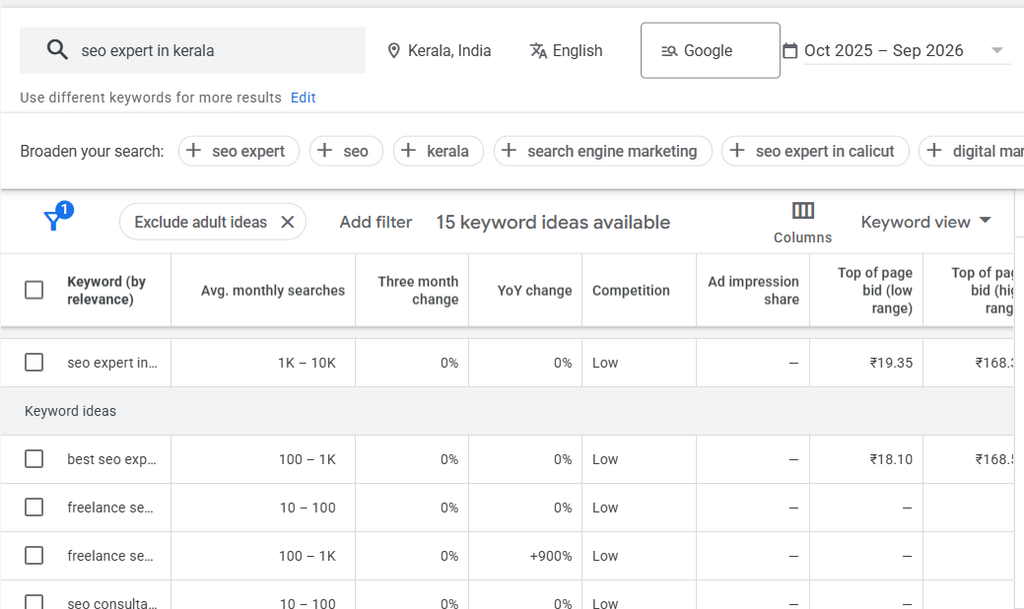
1. Google Keyword Planner
Helps you discover keyword ideas and check estimated search volumes and competition.
Best for: Keyword ideas and Google Ads research.Explore Keyword Planner
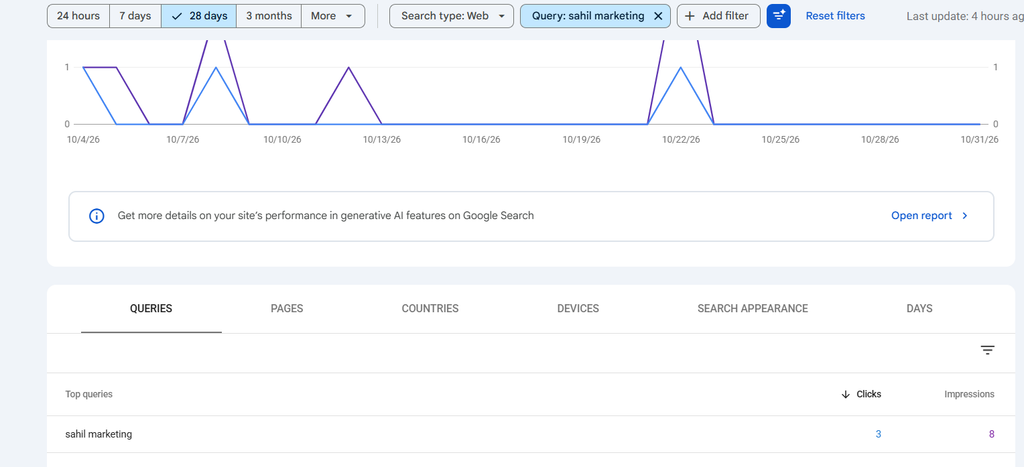
2. Google Search Console
Shows which search queries bring visitors to your website and how your pages perform in Google Search.
Best for: Tracking your website’s actual search performance.Explore Search Console
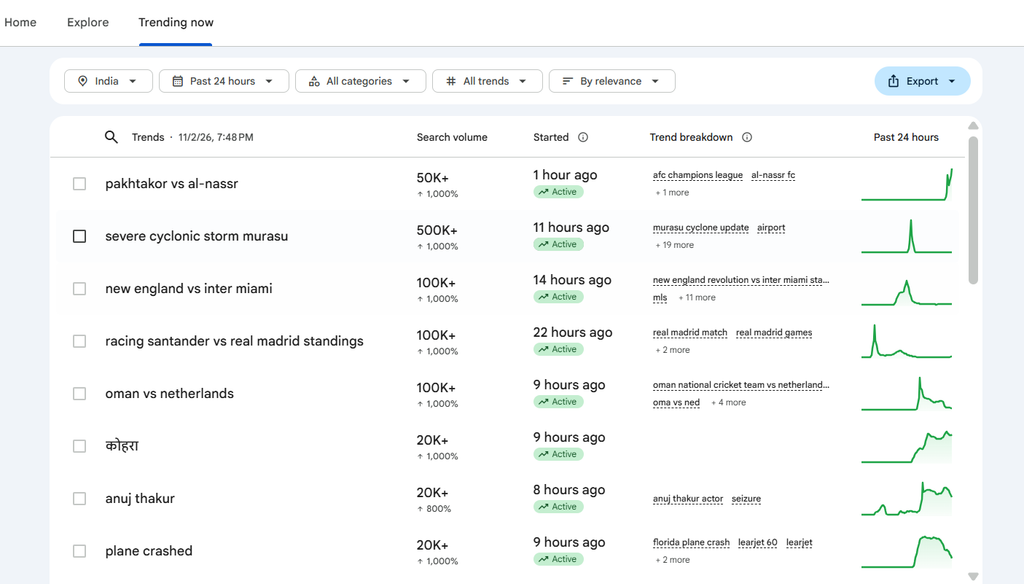
3. Google Trends
Helps you understand the popularity of search topics over time and compare search interest.
Best for: Identifying trending topics.Explore Google Trends
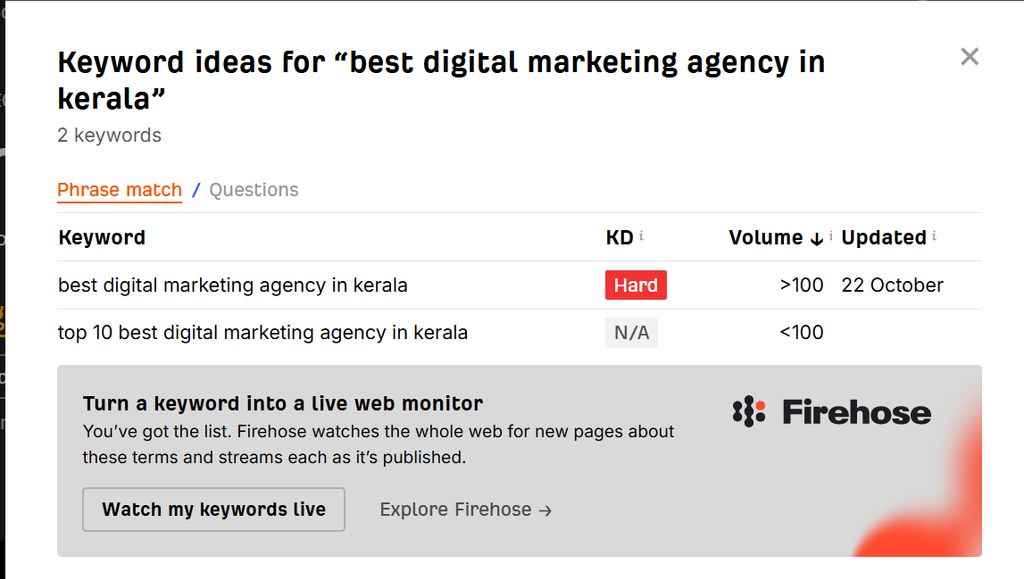
4. Ahrefs
Offers keyword research features, keyword ideas, and SEO analysis. Some features are available for free.
Best for: Keyword discovery and competitor research.Explore Ahrefs
5. Ubersuggest
Provides keyword suggestions, search volume estimates, and SEO insights. Free usage has limitations.
Best for: Beginners exploring keyword ideas.Explore Ubersuggest
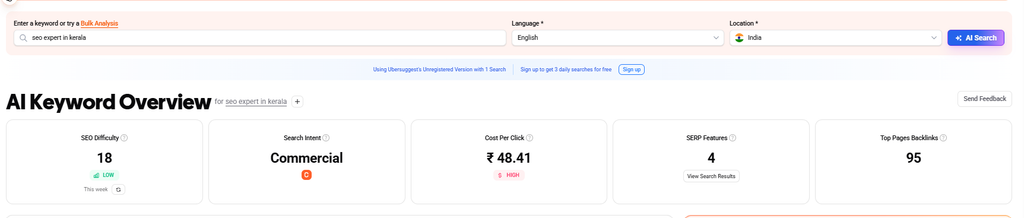
6. How to Analyse Keywords Before Choosing Them
Finding keywords is only the first step.
You also need to analyse them before adding them to your content strategy.
Focus on these four factors.
1. Search volume
Search volume indicates how frequently people search for a keyword within a given period.
2. Keyword difficulty
Keyword difficulty estimates how challenging it may be to rank for a keyword organically.
3. Search intent
Understand why someone is searching for that keyword.
Are they looking for information, comparing options, or ready to buy?
4. Relevance
Choose keywords that match your business, services, and audience.
A keyword with high search volume is not always the best choice. Relevance and search intent matter too.
7. How to Choose the Right Keywords
A good keyword research strategy for beginners should focus on relevance, search intent, and realistic competition.
Once you have a list of keywords, select the ones that match your goals.
Follow these simple tips:
- Choose keywords relevant to your business.
- Focus on specific long-tail keywords.
- Understand the search intent behind each keyword.
- Consider search volume and competition.
- Avoid targeting unrelated keywords just because they have high search volume.
For example, if your goal is to attract small business owners, “SEO services for small businesses” may be more relevant than the broad keyword “SEO”.
Always choose keywords based on your audience and business objectives.
8. Common Keyword Research Mistakes to Avoid
Beginners often make these mistakes when doing keyword research.
1. Choosing keywords only by search volume
High search volume doesn’t guarantee relevant traffic.
2. Ignoring search intent
Your content should match what users expect to find.
3. Targeting too many keywords on one page
Focus on one primary keyword and closely related secondary keywords.
4. Ignoring long-tail keywords
Specific search phrases can help you reach a more targeted audience.
5. Forgetting to update keyword research
Search trends and audience interests can change. Review your keyword strategy regularly.
9. Conclusion
Keyword research is an important part of building a successful SEO strategy.
It helps you understand your audience, discover content opportunities, and target relevant search terms.
Start with simple keyword ideas. Use free tools like Google Keyword Planner and Google Search Console. Analyse search intent, relevance, search volume, and competition before selecting your keywords.
Remember, successful keyword research isn’t about finding the most popular keywords. It’s about finding the right keywords for your audience and business.
Start researching today and build content that answers what your audience is actually searching for.
Want to improve your website’s overall SEO performance? Read our guide on SEO Audit to learn how to identify website issues and discover opportunities to improve your search rankings.